3 Dead in 11 Days as Toxic Drug Overdoses Rise Dramatically in Fort St. John, B.C.
Police and health officials warn of toxic unregulated drugs following three suspected overdose deaths, while a regional advisory identifies dangerous sedative mixtures.
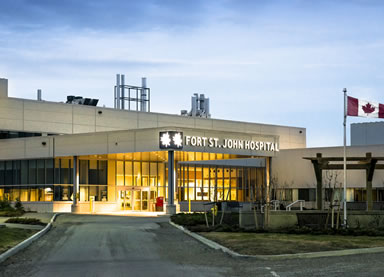
Three suspected overdose deaths in Fort St. John have prompted warnings from police and health officials about the dangers of the region’s unregulated drug supply.
RCMP responded to three separate incidents between November 9 and 19, where individuals were found dead following suspected drug overdoses. Police are urging people who use unregulated substances to exercise extreme caution. RCMP warning, reported by CJDC-TV
The deaths come as Northern Health and the First Nations Health Authority warn of an increase in overdoses requiring medical assistance across northern British Columbia.
A November 20 regional advisory says drug checking continues to identify substances including medetomidine and benzodiazepines mixed into the drug supply. These sedatives can cause profound sleepiness, difficulty waking and more complicated overdose emergencies. The advisory reports overdoses involving smoking, snorting and injecting. Northern Health/FNHA advisory
The regional warning does not establish which substances were involved in the three Fort St. John deaths.
B.C. Coroners Service figures show 98 deaths from unregulated drugs across the Northern Health region between January and September 2026. Separately, the Northeast health service delivery area recorded 15 deaths during the first six months of the year. Those figures cover different geographic areas and reporting periods. September figures, June figures
Health officials advise people not to use alone, to carry naloxone and to know how to recognise and respond to an overdose.
Naloxone can reverse opioid effects, but it does not reverse non-opioid sedatives such as medetomidine. People may remain dangerously sedated even after receiving it, making emergency medical assistance essential.
Warning signs include slow or stopped breathing, difficulty waking, blue or grey lips and a lack of responsiveness. Anyone witnessing a suspected overdose should call 911 immediately, administer naloxone if available and stay with the person while following the dispatcher’s instructions.