Canada To Contribute More Than $100 Million To NATO Innovation Fund
Canada becomes the first North American participant in the fund, opening new investment opportunities for Canadian defence and technology innovators.
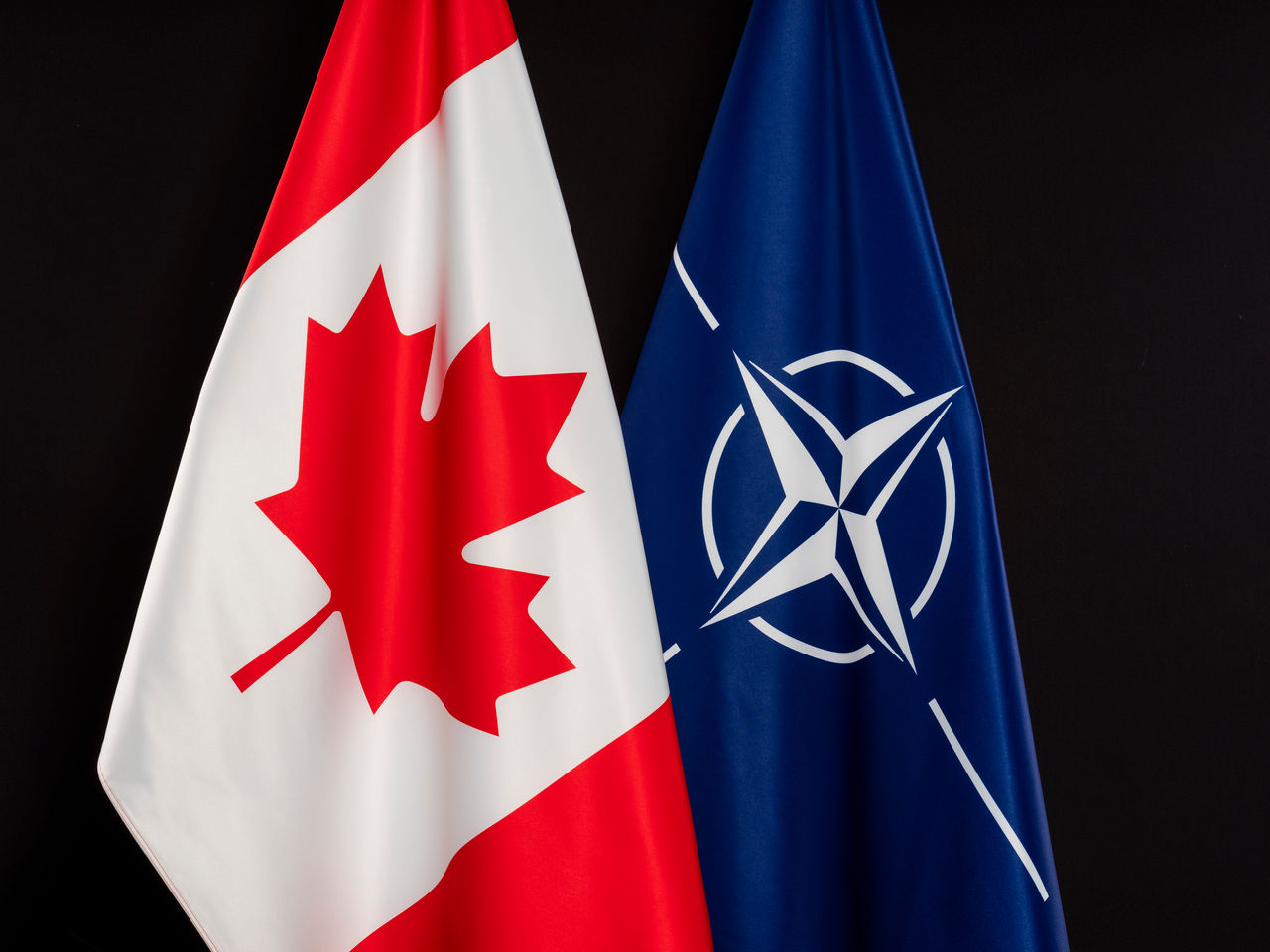
Canada has officially joined NATO’s Innovation Fund, becoming the 25th participating NATO Ally and the first in North America to take part.
Defence Minister David McGuinty announced the agreement in Halifax on November 21. Canada will contribute more than $100 million to the fund, which invests in startups developing advanced defence, security and emerging technologies.
According to National Defence, participation will give Canadian defence innovators access to more than €1 billion in deployable capital and create another pathway for investment between Canada and its European allies.
The government says the move will help Canadian businesses grow, create high-skilled jobs and strengthen the country’s defence industry.
Launched in 2022, the NATO Innovation Fund is a venture capital initiative backed by participating allied governments. It supports technologies intended to improve defence, security and resilience.
Its investment priorities include artificial intelligence, autonomous systems, quantum technologies, biotechnology, space, advanced manufacturing, energy and next-generation communications.
The fund’s announcement puts Canada’s commitment at €64.59 million and says the Business Development Bank of Canada will hold and manage the investment. Canada’s entry brings total commitments to more than €1.1 billion.
That figure represents the wider fund’s capital, rather than an amount reserved exclusively for Canadian businesses. Canadian innovators will also gain access to its network of co-investors and potential partners across participating countries.
The fund says membership can help domestic companies connect with governments and businesses seeking new technology, providing opportunities to turn research into products and services.
Canada’s participation builds on existing commercial ties. Fund-backed companies have already expanded into the Canadian market, including Isar Aerospace and autonomous airship company Kelluu.
For Canadian startups, the agreement offers another route to long-term investment and international markets. Ottawa presents it as both an economic opportunity and a way to strengthen the technological capabilities available to Canada and its allies.